
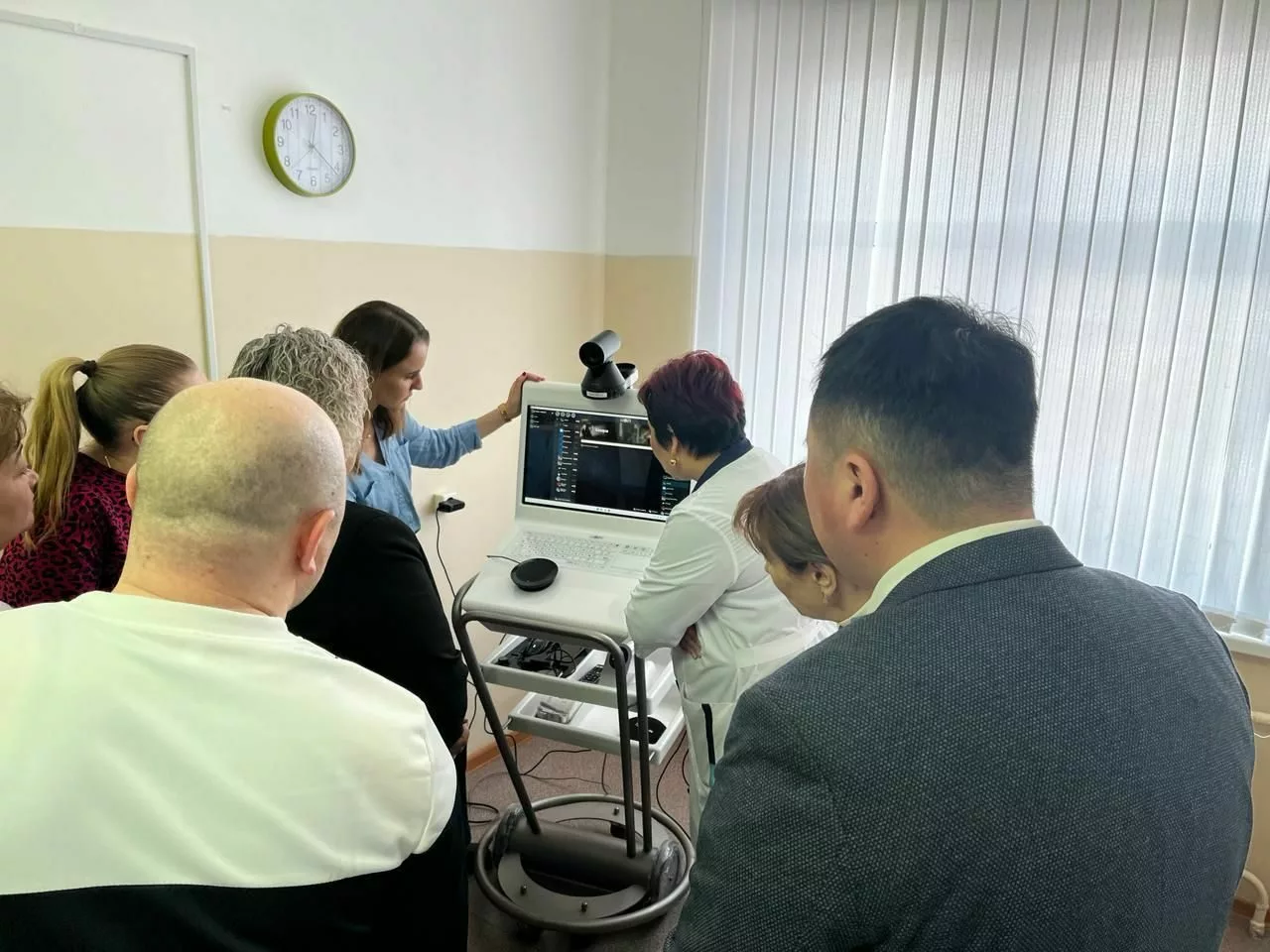
Here are three common misconceptions that continue to hold back its full potential.
1. “If it’s assisted, it must be complicated.”
Many assume that adding a trained operator makes the process heavier. In reality, assisted telemedicine simplifies the patient experience:
- accurate vitals and device use
- fewer technical issues
- the physician receives standardized, high-quality inputs
Results : Smoother consultations and more reliable medical decisions.
2. “It replaces in-person care.”
Assisted telemedicine is not designed to replace physical consultations. It complements them. It creates a safe bridge for patients who would otherwise delay care, especially in rural areas, corporate health programs, schools, or prisons.
Results : Early detection, better triage, and continuity of care where no alternative exists.
3. “It’s too costly to scale.”
Initial deployment requires equipment and training, yes. But the long-term value is clear:
- fewer unnecessary transfers
- optimized specialist time
- improved coverage in underserved areas
Results : Countries that have deployed assisted telemedicine networks report strong financial and operational benefits within the first year.
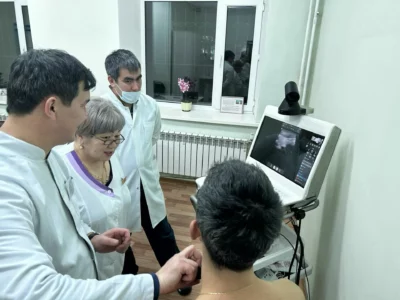
Why does it matter?
Each of these misconceptions slows down the adoption of a proven, human-centered solution that can:
- expand access to healthcare
- strengthen health systems
- support clinicians in resource-constrained environments
Assisted telemedicine is not just a digital tool; it is a pragmatic way to deliver equitable care.